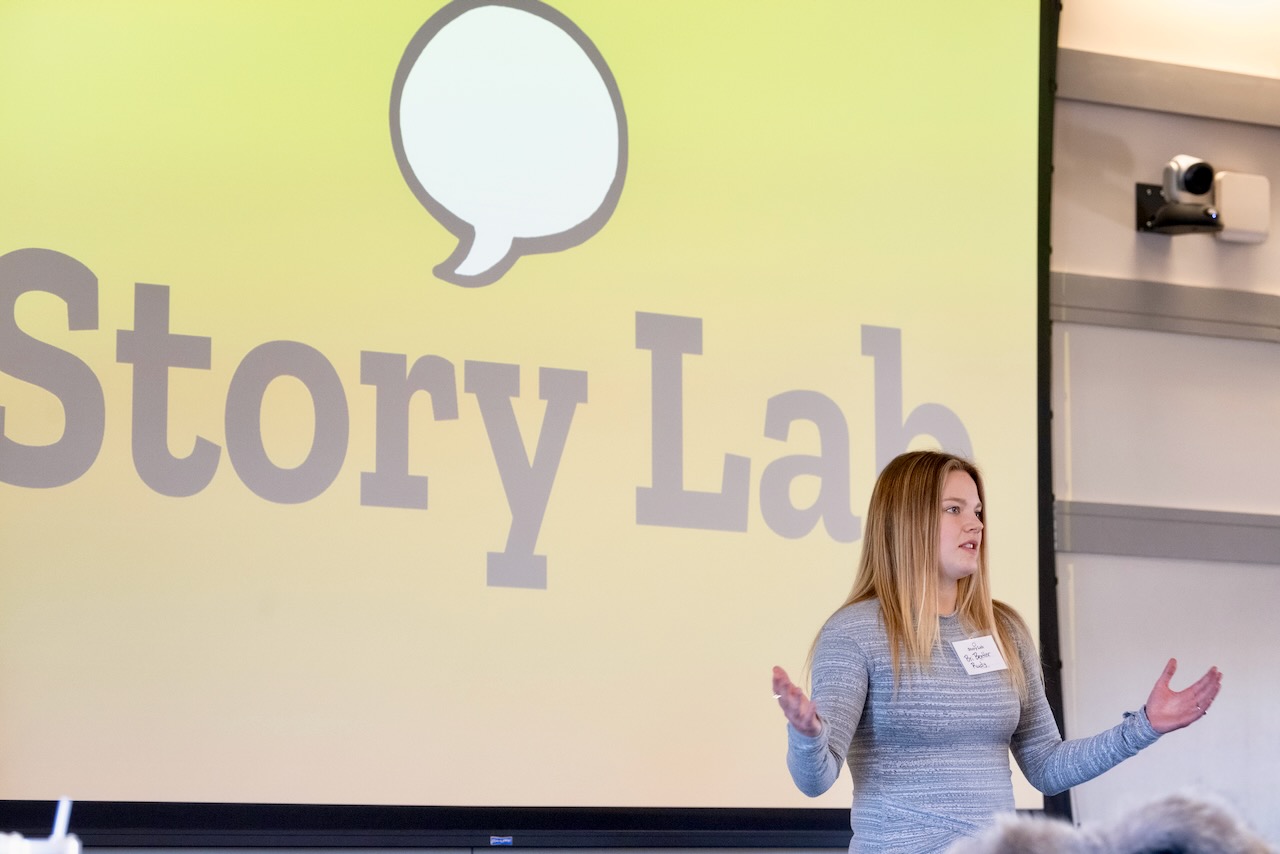
Visual Storytelling 2026

Visual storytelling that makes complex ideas easier to understand.

Visual storytelling helps brands, teams, educators, and leaders turn information into a clear narrative. The Visual Story Lab uses story structure, visual thinking, and strategy to help messages become more memorable, useful, and action-focused in 2026.

Visual storytelling strategy by The Visual Story Lab

What is visual storytelling?

Visual storytelling is the practice of using images, structure, symbols, diagrams, narrative flow, and clear messaging to explain an idea. It is not simply decoration. A good visual story helps people see relationships, understand context, remember key points, and know what action to take next.

In 2026, visual storytelling is more important than ever because audiences are surrounded by information. Business reports, presentations, websites, meetings, and campaigns all compete for attention. A clear visual story helps important ideas stand out without making the message feel overwhelming.

Why businesses need visual storytelling

Businesses often have valuable insight but struggle to explain it simply. Visual storytelling helps connect strategy with human experience. It can make a brand story more relatable, a presentation more persuasive, a workshop easier to follow, and a complex service easier to understand.

How The Visual Story Lab uses storytelling

The Visual Story Lab helps organize ideas into clear story systems. We look at the audience, the message, the goal, and the emotional connection behind the information. Then we shape that material into visual frameworks, presentation flows, workshop maps, campaign narratives, or brand story structures.

Visual storytelling for teams and leaders

Leaders need to communicate direction. Teams need shared understanding. Customers need to know why a product, service, or idea matters. Visual storytelling supports all of these needs by making communication more direct, more human, and easier to act on.

Brand Stories

Shape your purpose, value, audience, and message into a story that can support websites, pitches, and campaigns.

Presentation Narratives

Turn scattered slides and information into a clear presentation flow with a stronger beginning, middle, and outcome.

Strategy Maps

Use visual maps to explain business strategy, team goals, customer journeys, or program direction.

A strong visual story creates clarity before it creates design.

The best visual storytelling starts with the message. Before choosing colors, layouts, or graphics, we define the core idea, the audience need, and the action the story should support.

Clarify complex business information into simple story structure. Build stronger communication for digital-first audiences in 2026. Create story systems that can be reused across platforms and teams.
Discuss Your Story
Business visual storytelling and creative strategy process

How visual storytelling improves communication

It makes ideas easier to remember

People remember patterns, images, and stories better than disconnected facts. Visual storytelling gives information a structure that the audience can follow and recall later.

It supports better decisions

When information is visually organized, teams can compare options, notice gaps, identify priorities, and move forward with more confidence.

It connects logic and emotion

Good storytelling does not remove data. It gives data meaning. By connecting evidence with human experience, visual storytelling helps the audience understand both what is happening and why it matters.

It works across many formats

A strong visual story can support websites, workshops, social content, keynote presentations, brand strategy, learning materials, and internal planning documents. This makes it a practical communication asset, not just a one-time creative output.